Top 10 Web Design Trends in New York for 2026
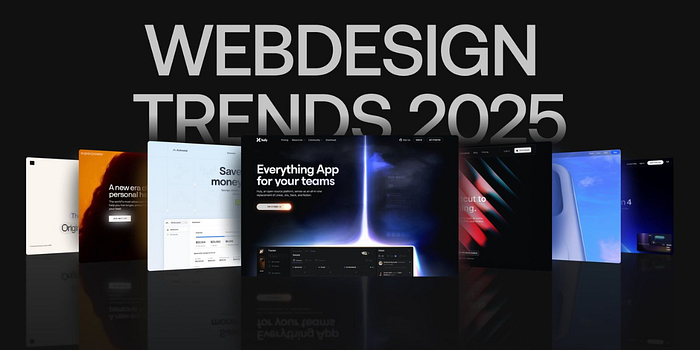
New York has always been a hub of innovation, creativity, and fast-paced business growth. In 2026, web design in NYC is evolving rapidly to meet higher user expectations, mobile-first behavior, and smarter search engine algorithms. Modern design is no longer just about aesthetics — it directly impacts Search Engine Optimization, user engagement, and conversion rates.
Businesses in New York must adopt forward-thinking design strategies to stay competitive. Below are the top 10 web design trends shaping the NYC digital landscape in 2026.
1. AI-Powered Personalization
Websites are becoming smarter through artificial intelligence. Inspired by personalization models used by companies like Netflix, NYC businesses are integrating AI-driven content recommendations and dynamic layouts.
Personalized web experiences improve user engagement and lower bounce rates — both of which positively influence Search Engine Optimization rankings.
2. Minimalist and Clean Interfaces
In a city where attention spans are short, cluttered websites lose visitors instantly. Minimalist designs with clear typography, ample white space, and focused messaging dominate in 2026.
Simple layouts enhance readability, improve loading speed, and create smoother navigation — key elements that support stronger Search Engine Optimization performance.
3. Mobile-First and Thumb-Friendly Design
With most users browsing on smartphones, mobile-first design is no longer optional. New York businesses are prioritizing responsive layouts that adapt seamlessly to all screen sizes.
Search engines like Google prioritize mobile-friendly websites, making responsive design essential for higher Search Engine Optimization rankings.
4. Interactive and Micro-Animations
Subtle animations, hover effects, and interactive transitions are enhancing user experiences across NYC websites. These design elements guide users through content naturally without overwhelming them.
When implemented correctly, micro-animations improve engagement time, which contributes to better Search Engine Optimization results.
5. Dark Mode and Adaptive Themes
Dark mode continues to gain popularity in 2026. Many New York brands now offer adaptive themes that adjust based on user preference or device settings.
This trend enhances user comfort and accessibility while adding a modern aesthetic touch.
6. Voice Search Optimization in Design
With the growing use of voice assistants like Google Assistant and Amazon Alexa, websites are being designed to support conversational search queries.
Designers now structure content using clear headings, FAQ sections, and natural language formatting to align with voice search patterns — an essential factor in advanced Search Engine Optimization strategies.
7. Faster Loading and Performance Optimization
In New York’s fast-moving market, users expect instant results. Websites in 2026 focus heavily on performance optimization:
Compressed images
Lightweight frameworks
Efficient coding structures
Reduced server response time
Speed is a direct ranking factor for Search Engine Optimization, making technical performance a top design priority.
8. Bold Typography and Custom Fonts
Typography is becoming a central design element. Bold fonts and creative typefaces help brands communicate personality and authority instantly.
Strong visual hierarchy improves readability and user flow, which enhances both user experience and Search Engine Optimization performance.
9. Inclusive and Accessible Design
Accessibility is no longer an afterthought. New York businesses are designing websites that cater to all users, including those with disabilities.
Key accessibility features include:
Alt text for images
Clear contrast ratios
Keyboard navigation support
Screen reader compatibility
Accessible design broadens audience reach and aligns with Search Engine Optimization best practices by improving usability.
10. Data-Driven Design Decisions
Web design in 2026 is guided by analytics. Businesses use performance data to refine layouts, optimize content placement, and improve user journeys.
Tools such as Google Analytics help track visitor behavior and identify improvement areas. Data-driven decisions ensure websites remain aligned with user expectations and Search Engine Optimization goals.
Why Web Design Matters for Search Engine Optimization
Modern web design and Search Engine Optimization are closely connected. A visually appealing website alone is not enough — it must also be:
Fast-loading
Mobile-responsive
Structured properly
Easy to navigate
Optimized for search intent
When design and SEO work together, businesses in New York experience higher visibility, increased traffic, and stronger conversion rates.
Frequently Asked Questions (FAQs)

1. How does web design impact Search Engine Optimization?
Web design affects page speed, mobile responsiveness, navigation structure, and user experience — all of which influence search engine rankings and organic traffic performance.
2. Why is mobile-first design important in New York?
Most users browse via smartphones. A mobile-first website ensures better usability and aligns with search engine ranking algorithms.
3. Are interactive design elements good for SEO?
Yes, when implemented properly. Interactive elements can increase engagement and session duration, which positively impacts Search Engine Optimization metrics.


Comments
Post a Comment